Manufacturing ERP Software: Boosting Supply Chain Efficiency
 ERP
ERPIntroduction
Manufacturing ERP Software has become essential for businesses seeking to streamline their supply chain operations and maintain competitive advantage in today's fast-paced industrial landscape. Modern manufacturers face increasing pressure to reduce costs, improve delivery times, and enhance product quality while managing complex supplier networks and inventory systems. This comprehensive guide explores how Manufacturing ERP Software revolutionizes supply chain management, helping businesses achieve operational excellence through automation, real-time visibility, and data-driven decision-making. You'll learn about key features, implementation strategies, and practical benefits that transform manufacturing operations from reactive to proactive.
Key Takeaways
Manufacturing ERP Software centralizes supply chain data, enabling real-time visibility across procurement, production, inventory, and distribution processes.
Integrated ERP solutions reduce operational costs by 15-20% through automated workflows, optimized inventory levels, and improved supplier collaboration.
Successful ERP Implementation Services require careful planning, stakeholder engagement, and phased deployment to minimize disruption and maximize ROI.
Understanding Manufacturing ERP Software and Its Supply Chain Impact
What is Manufacturing ERP Software?
Manufacturing ERP Software integrates core business processes including production planning, inventory management, procurement, quality control, and logistics into a unified system. This technology provides manufacturers with a single source of truth for all supply chain activities, eliminating data silos and enabling seamless information flow across departments.
The software creates a digital backbone that connects suppliers, warehouses, production floors, and distribution channels in real-time. By consolidating data from multiple touchpoints, manufacturers gain unprecedented visibility into their entire supply chain ecosystem. This integration allows companies to track raw materials from purchase order through production to final delivery, ensuring nothing falls through the cracks. Modern Manufacturing ERP Software also incorporates advanced analytics to predict demand patterns, identify bottlenecks, and recommend optimal inventory levels. The result is a more agile, responsive supply chain capable of adapting quickly to market changes and customer demands.
Key Benefits for Supply Chain Operations
Traditional supply chain management relies on disconnected systems and manual processes that create delays, errors, and inefficiencies. Manufacturing ERP Software eliminates these pain points by automating routine tasks and providing instant access to critical information. Procurement teams can instantly see inventory levels and production schedules when placing orders, preventing both stockouts and excess inventory.
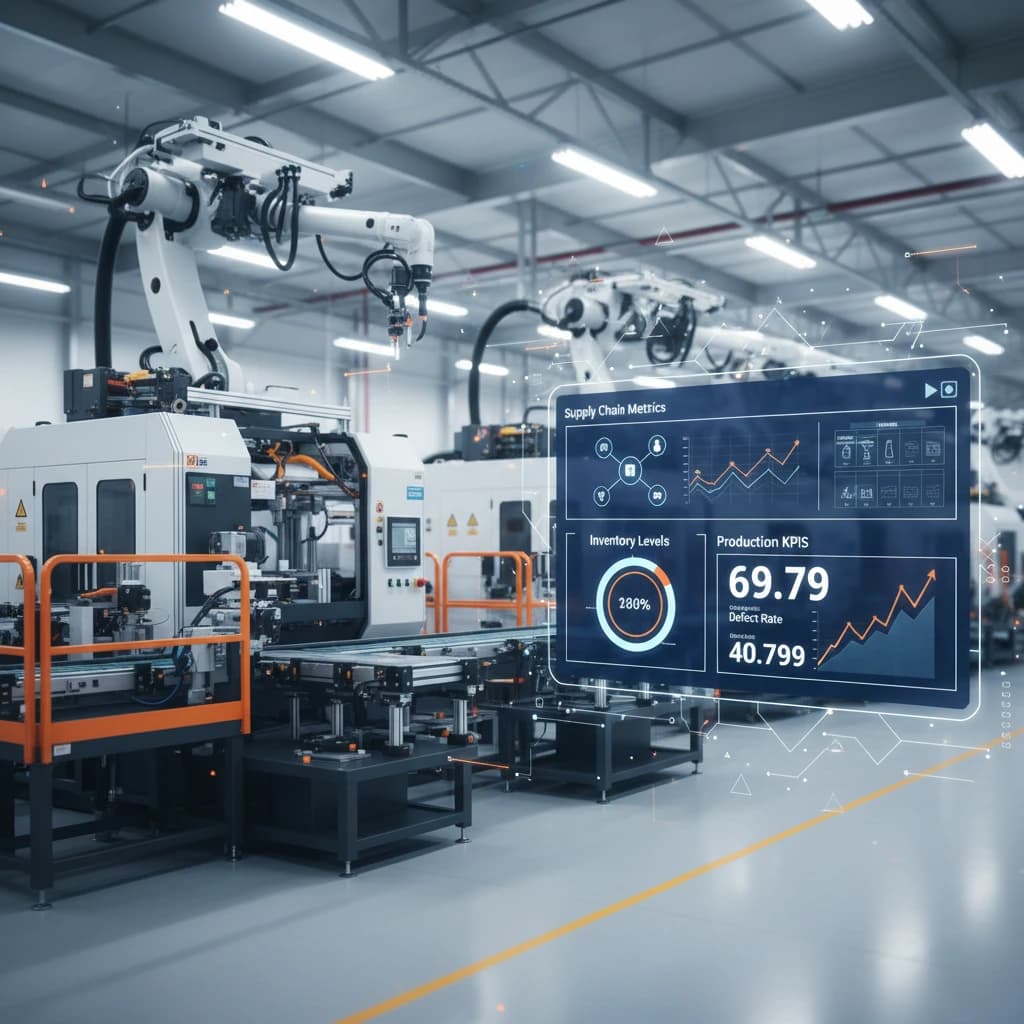
Production managers benefit from automated material requirement planning that calculates exactly what materials are needed and when, based on current orders and production capacity. The system automatically generates purchase requisitions and notifies relevant stakeholders, reducing lead times by 25-30%. Warehouse operations become more efficient with barcode scanning, automated picking lists, and optimized storage locations. Perhaps most importantly, executives gain real-time dashboards showing key performance indicators like inventory turnover, order fulfillment rates, and supplier performance metrics, enabling data-driven strategic decisions.
Core Features That Drive Supply Chain Efficiency
Real-Time Inventory Management and Tracking
Advanced inventory management stands as one of the most valuable features of Manufacturing ERP Software. The system maintains accurate, up-to-the-minute inventory records across all locations, from raw materials warehouses to work-in-progress on the production floor to finished goods in distribution centers.
Real-time tracking eliminates the guesswork, especially when the Odoo Manufacturing Module integrates with inventory and warehouse modules to provide accurate stock visibility across production and distribution. When a production order consumes materials, inventory levels automatically adjust. When finished products complete quality inspection, they instantly appear as available stock. This accuracy prevents costly production delays caused by unexpected material shortages. The software also supports advanced inventory techniques like just-in-time manufacturing, consignment inventory, and vendor-managed inventory programs. Automated reorder points trigger purchase requisitions when stock falls below predetermined thresholds, ensuring continuous production flow. Serial number and lot tracking capabilities ensure complete traceability for quality control and regulatory compliance, critical in industries like aerospace, pharmaceuticals, and food manufacturing.
Integrated Procurement and Supplier Management
Manufacturing ERP Software transforms procurement from a reactive, paper-based process into a strategic, automated function. The system maintains comprehensive supplier databases including pricing agreements, lead times, quality ratings, and delivery performance metrics. When materials are needed, the software automatically identifies the best suppliers based on predefined criteria like price, quality, and delivery reliability.
Purchase order creation becomes largely automated, with the system generating orders based on production schedules and inventory levels. Suppliers can access self-service portals to view orders, submit invoices, and update delivery schedules, reducing communication overhead and improving accuracy. Three-way matching between purchase orders, receiving documents, and invoices happens automatically, preventing payment errors and fraud. Vendor performance scorecards help procurement teams identify reliable partners and address issues with underperforming suppliers. This systematic approach to supplier management reduces procurement costs by 10-15% while improving material quality and delivery reliability. Integration with comprehensive Odoo Implementation Services further enhances these capabilities with specialized manufacturing workflows and industry-specific features.
Production Planning and Scheduling Optimization
Efficient production planning represents the heart of manufacturing operations, and ERP software brings unprecedented sophistication to this critical function. The system uses master production scheduling to balance customer demand against available capacity, materials, and workforce. Advanced planning algorithms consider multiple constraints simultaneously, creating realistic production schedules that maximize equipment utilization while meeting delivery commitments.
Capacity planning tools help manufacturers identify bottlenecks and make informed decisions about capital investments in new equipment or facility expansions. The software automatically sequences jobs to minimize changeover times and maximize throughput. When rush orders arrive or equipment breaks down, the system can instantly recalculate schedules and notify affected stakeholders. Material requirements planning (MRP) calculates exactly what components and raw materials are needed for each production run, when they're needed, and in what quantities. Shop floor control modules provide real-time production monitoring, allowing managers to track progress against schedules and quickly address issues. Integration with professional Odoo Consultation services ensures your production planning systems align with overall business strategy and technology infrastructure.
Implementation Strategies for Maximum ROI
Planning Your ERP Implementation Journey
Successful Manufacturing ERP Software deployment begins long before any software installation occurs. Organizations must first conduct thorough process analysis to understand current workflows, identify inefficiencies, and define improvement objectives. This discovery phase typically involves workshops with stakeholders from all affected departments to document existing processes and envision future state operations.
Creating a detailed project plan with realistic timelines and resource allocations sets the foundation for successful implementation. Most manufacturing ERP projects take 6-18 months depending on company size and complexity. The plan should identify key milestones, decision points, and success metrics. Forming a cross-functional implementation team with representatives from IT, operations, finance, and management ensures all perspectives are considered. Securing executive sponsorship is crucial, as leadership commitment helps overcome resistance to change and ensures adequate resources. Many organizations partner with experienced ERP Implementation Services providers who bring industry expertise and proven methodologies. These experts help avoid common pitfalls and accelerate time-to-value through Full-Cycle Odoo Implementation approaches.
Training and Change Management Best Practices
Even the most sophisticated Manufacturing ERP Software delivers limited value if users don't adopt it effectively. Comprehensive training programs must address different user groups with role-specific content. A structured training plan is an essential part of ERP Implementation Services, ensuring employees adopt the system quickly. Shop floor operators need hands-on training in transaction entry and barcode scanning, while managers require training in reporting and analytics. Training delivery should combine multiple methods including classroom instruction, hands-on practice in training environments, quick reference guides, and video tutorials.
Change management addresses the human side of ERP implementation, helping employees understand why changes are necessary and how they'll benefit. Communication campaigns should start early and continue throughout the project, sharing progress updates and success stories. Identifying change champions in each department helps build grassroots support for the new system. Providing support resources like help desk services and user forums ensures employees can quickly resolve questions and issues. Post-implementation support is crucial during the first few months when users are still learning and processes are being refined. Working with Post-Go-Live Support & Maintenance teams helps ensure ongoing system maintenance and user support.
Measuring Success and Continuous Improvement
Implementing Manufacturing ERP Software is not a one-time project but rather the beginning of an ongoing optimization journey.With the Odoo Manufacturing Module, companies can continuously refine production processes and monitor shop-floor performance through real-time dashboards. Establishing key performance indicators (KPIs) before implementation provides baseline measurements for assessing improvement. Common supply chain KPIs include inventory turnover rates, order fulfillment cycle times, procurement costs, production efficiency, and on-time delivery percentages.
Regular measurement and reporting of these metrics helps identify areas requiring additional attention or refinement. Most organizations see significant improvements within the first year, including 20-30% reduction in inventory carrying costs, 15-25% improvement in on-time deliveries, and 10-20% increase in production efficiency. However, achieving these results requires ongoing system optimization and process refinement. Conducting post-implementation reviews at 30, 60, and 90 days identifies issues and opportunities for improvement. This long-term perspective helps organizations maintain momentum and realize full ROI from their ERP investment.
Conclusion
Manufacturing ERP Software has evolved from basic transaction processing systems into sophisticated platforms that drive supply chain excellence and competitive advantage. By integrating procurement, inventory, production, and distribution processes into a unified system, manufacturers gain the visibility and control needed to thrive in today's demanding market environment. The technology delivers measurable benefits including reduced inventory costs, improved delivery performance, and enhanced operational efficiency. Successful implementation requires careful planning, effective change management, and commitment to continuous improvement. Organizations that embrace Manufacturing ERP Software position themselves to respond quickly to market changes, exceed customer expectations, and achieve sustainable growth. Codex supports organizations in adopting Manufacturing ERP Software so they can respond quickly to market changes, exceed customer expectations, and achieve sustainable growth.
Frequently Asked Questions
1. What is Manufacturing ERP Software and how does it work?

Manufacturing ERP Software is an integrated system that connects production planning, inventory management, procurement, and quality control into one platform. It automates workflows, provides real-time data visibility. This also enables manufacturers to optimize operations, reduce costs, and improve decision-making across the entire supply chain with trading and manufacturing solutions.
2. How does Manufacturing ERP Software improve supply chain efficiency?
Manufacturing ERP Software improves supply chain efficiency by automating material planning, optimizing inventory levels, and providing real-time visibility across procurement to delivery. It reduces lead times by 25-30%, minimizes stockouts, and enables data-driven decisions that enhance operational performance and customer satisfaction throughout the production cycle.
3. What are the key features to look for in Manufacturing ERP Software?
Key features include real-time inventory tracking, automated procurement management, production scheduling, material requirements planning (MRP), quality control modules, supplier performance monitoring, and advanced analytics. Modern custom development and system integrations ensure seamless integration across departments. It also enable manufacturers to maintain competitive advantage through operational excellence.
4. How long does it take to implement Manufacturing ERP Software?
Manufacturing ERP Software implementation typically takes 6-18 months depending on company size, complexity, and customization requirements. The timeline includes process analysis, system configuration, data migration, user training, and testing phases. Partnering with experienced specialists for full-cycle implementation accelerates deployment and ensures smooth transition with minimal disruption
5. What is the ROI of implementing Manufacturing ERP Software?
Organizations typically see 20–30% reduction in inventory carrying costs within the first year. They also experience a 15–25% improvement in on-time deliveries. Production efficiency increases by 10–20% during the same period.
6. Can small and medium manufacturers benefit from ERP software?
Yes, small and medium manufacturers gain significant benefits from ERP software including improved operational efficiency, better inventory management, and enhanced competitiveness. Modern cloud-based service-oriented solutions offer scalable, affordable options with lower upfront costs, making enterprise-level capabilities accessible to businesses of all sizes without extensive IT infrastructure.
7. How does Odoo Manufacturing Module support production operations?
Odoo Manufacturing Module streamlines production workflows with bill of materials management, work order tracking, quality checks, and real-time shop floor control. It integrates seamlessly with inventory, purchasing, and sales modules, providing manufacturers complete visibility and control over operations while supporting lean manufacturing and just-in-time practices effectively.
8. What are common challenges during ERP implementation and how to overcome them?
Common challenges include resistance to change, data migration complexity, inadequate training, and scope creep. Overcome these through strong executive sponsorship, comprehensive change management, phased deployment approach, thorough testing, and ongoing support. Effective consultation and business process analysis ensures best practices and minimizes implementation risks throughout the project.
9. Is cloud-based or on-premises Manufacturing ERP Software better?
Cloud-based Manufacturing ERP Software offers advantages like lower upfront costs, automatic updates, superior scalability, and enhanced disaster recovery. On-premises solutions provide greater control and customization for specific requirements. Most manufacturers now prefer cloud solutions for flexibility, reduced IT burden, and faster deployment without compromising security or functionality.
10. How does Manufacturing ERP Software integrate with existing business systems?
Manufacturing ERP Software integrates with existing systems through APIs, pre-built connectors, and middleware solutions. It connects with CRM platforms, e-commerce systems, warehouse management tools, and financial software to ensure seamless data flow. Comprehensive post-implementation support and maintenance helps maintain integration stability and creates unified business ecosystems.